
The Consulate of Botswana

ADVOCATE DUMA GIDEON BOKO
President of The Republic of Botswana
Plot 3 Kimathi Avenue, Pan Africa House, 5th Floor Suite 513
+256-414-232-679
+256 (0) 740-035-184 | info@botswanaconsulate.co.ug
Honorary Consul
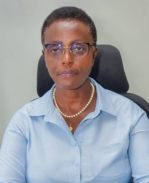
Brief Biography
Honorary Consul: Maria Odido
E-mail: mariaodido@botswanaconsulate.co.ug
Mob: +256-709-209-000
Tel: +256-414-232-679
Name: Linda Odondi

Executive Assistant.: Linda Odondi
Mob: +256 (0) 740-035-184 |
Tel: +256-414-232-679
Email: info@botswanaconsulate.co.ug
Botswana gov’t portal
Tourism
Business
Hon. Consuls Profile
Geography:
Economy:
Wildlife & Tourism:
Culture & Society:
Fun Facts:
Geography:
- Borders: Namibia (west), Zimbabwe (northeast), Zambia (north), South Africa (south and southeast)
- Notable Features:
- Kalahari Desert: Covers up to 70% of the country
- Okavango Delta: One of the world’s largest inland deltas and a UNESCO World Heritage Site
- Chobe National Park: Famous for its large elephant population.

Economy:
- Key Industries:
- Mining (especially diamonds)
- Tourism (eco-tourism and safaris)
- Cattle ranching and agriculture
- Economic Strength: One of Africa’s most stable and fastest-growing economies since independence
Wildlife & Tourism:
- Botswana is a top destination for wildlife tourism, known for:
- Low-impact, high-value tourism model
- Home to “Big Five” animals: lion, leopard, elephant, buffalo, rhino
- Exclusive lodges and safaris in the Okavango Delta and Chobe
Culture & Society:
- Ethnic Groups: Predominantly Tswana, with minorities including Kalanga, San (Basarwa), and others
- Traditional Music & Dance: Integral to community events and storytelling
- Social Values: Strong emphasis on peace, democracy, and the principle of Botho (respect, compassion, and humanity)
Fun Facts:
- Botswana has had free and fair elections since independence.
- It has one of Africa’s lowest levels of corruption.
- It’s one of the world’s top diamond producers (by value).

Presidents of Botswana
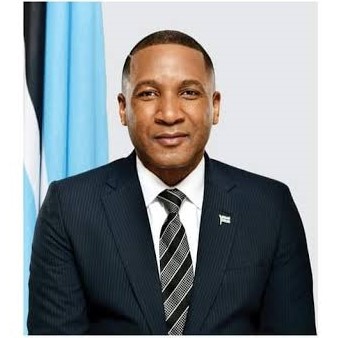
Term: 1 April 2018 – 1 Nov. 2024
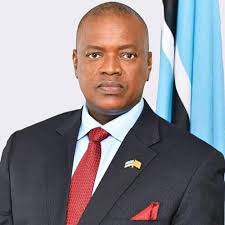
Term: 1 April 2018 – 1 Nov. 2024
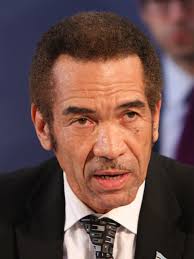
Term: 1 April 2008 – 1 April 2018
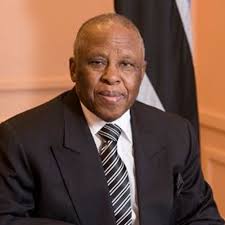
Term: 1 April 1998 – 1 April 2008
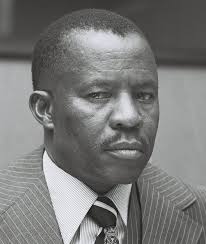
Term: 18 July 1980 – 31 March 1998
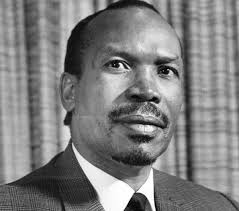
Term:30 September 1966 – 13 July 1980
Founding President
History of Botswana
- 1885: To protect local Tswana leaders from Boer expansion and German South-West Africa (Namibia), Britain declared the area a British Protectorate, known as Bechuanaland.
- Unlike other African colonies, Bechuanaland was not heavily exploited or settled by Europeans. It was mostly ruled through indirect rule, allowing local chiefs to retain authority under British oversight.
- The capital was set up in Mafikeng (now in South Africa) until independence.
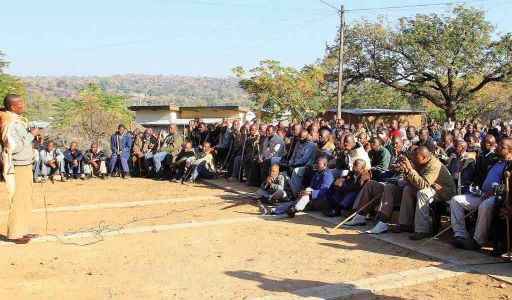
- Ancient Inhabitants: The earliest known people in Botswana were the San (Basarwa or Bushmen), a hunter-gatherer society known for their rock art and deep knowledge of the land.
- Bantu Migration: Around 500–1000 AD, Bantu-speaking groups, particularly the Tswana, migrated into the region. They introduced ironworking, cattle herding, and settled agriculture.
- Over time, various Tswana chiefdoms emerged, such as the Bangwato, Bakwena, and Bamangwato, which became powerful in the region.
- 1800s: European missionaries and traders began arriving. One notable figure was David Livingstone, a Scottish missionary-explorer who worked in the region in the mid-19th century.
- As European influence grew, internal conflicts and external threats—especially from Boer settlers and Ndebele raiders—caused political tension.
- Seretse Khama, heir to the Bamangwato chieftaincy, married a white British woman, Ruth Williams, in 1948. This caused a scandal both in the UK and Southern Africa, leading to his exile.
- Over time, Seretse Khama became a symbol of resistance and a leader in the movement for independence.
- In 1962, he founded the Botswana Democratic Party (BDP).
- 1966: Botswana gained full independence from Britain on September 30, 1966, with Seretse Khama as its former President.

- At independence, Botswana was one of the poorest countries in Africa, with few paved roads and little infrastructure.
- However, after the discovery of diamonds in 1967, Botswana rapidly grew its economy.
- Botswana became a model of democracy, anti-corruption, and good governance in Africa.
- Seretse Khama was succeeded by other leaders from the BDP, including:
- Quett Masire
- Festus Mogae
- Ian Khama (Seretse’s son)
- Former President H.E. Dr. Mokgweetsi Eric Keabetswe Masis
|
Year |
Event |
|
Prehistory |
San people inhabit the region |
|
~1000 AD |
Bantu (Tswana) migration and settlements |
|
1885 |
Declared British Protectorate (Bechuanaland) |
|
1966 |
Independence from Britain |
|
1967 |
Diamond discoveries fuel economic growth |
|
1980s–2020s |
Political stability, democratic elections, economic development |
Politics and Government of Botswana
- Type: Parliamentary Republic
- Head of State and Government: The President
- Legislature: National Assembly (unicameral)
- Judiciary: Independent, with a High Court, Court of Appeal, and customary courts
- Constitution: Adopted in 1966 at independence
- Botswana is widely recognized as one of Africa’s most democratic and stable nations.
- It holds free and fair elections every 5 years.
- Since independence in 1966, it has never experienced a military coup or major political violence.
- Political power has changed leadership within the same ruling party but not yet between parties.
- President: Both Head of State and Head of Government
- Elected by the National Assembly after general elections
- Serves up to two 5-year terms
- Vice President: Appointed by the President
- The President appoints ministers to run various departments (education, health, foreign affairs, etc.)
Legislative Branch – National Assembly
- Unicameral Parliament (no upper house)
- Composed of:
- Elected members (directly by voters)
- A few specially appointed members
- Responsible for:
- Making laws
- Debating national issues
- Approving the national budget
- Also includes the Ntlo ya Dikgosi (House of Chiefs) — an advisory body made up of traditional leaders (no legislative power but cultural influence)
-
- Courts include:
- High Court (civil and criminal cases)
- Court of Appeal (highest court)
- Customary Courts (handle cases based on tribal law, especially in rural areas)
The judiciary is generally respected and viewed as non-political and fair
- Courts include:
- Botswana Democratic Party (BDP)
- In power since 1966
- Founded by Sir Seretse Khama
- Currently led by former President Mokgweetsi Masisi
- Umbrella for Democratic Change (UDC)
- Main opposition coalition
- Includes smaller parties like the Botswana National Front (BNF), Botswana Congress Party (BCP), and others
- Gaining support in recent elections
- Botswana Patriotic Front (BPF)
- Breakaway party founded by supporters of former President Ian Khama, now in opposition
Traditional Leadership and the House of Chiefs
- The Ntlo ya Dikgosi (House of Chiefs) is a unique institution:
- Includes representatives of major tribes
- Advises Parliament on issues relating to custom, culture, and land
- Does not have the power to make or block laws
Wildlife and National Parks of Botswana
Why Botswana Stands Out
- Over 38% of the country is protected land (national parks, game reserves, and wildlife management areas)
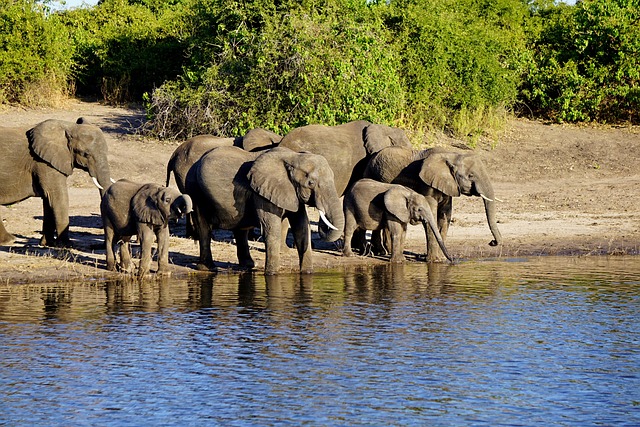
- Home to one of the largest elephant populations on Earth
- Known for low-impact, high-value tourism: fewer tourists, more exclusive and sustainable safaris
- Key focus on conservation and anti-poaching efforts
Top National Parks and Game Reserves
Okavango Delta
Chobe National Park
Moremi Game Reserve
Central Kalahari Game Reserve (CKGR)
Makgadikgadi Pans National Park
Nxai Pan National Park
Other Hidden Gems
Okavango Delta
- UNESCO World Heritage Site
- One of the world’s largest inland deltas — a lush oasis in the Kalahari Desert
- Unique wetland ecosystem: seasonal floods attract massive wildlife
- Best for: Canoe safaris, luxury lodges, birdwatching, elephants, big cats, hippos, rare antelope like sitatunga
- Safari activities: Mokoro rides (dugout canoe), walking safaris, game drives
The Okavango Delta

Chobe National Park
- Located in the north, near the borders with Zimbabwe and Zambia
- Famous for its huge elephant herds (estimated over 120,000 elephants)
- Also home to lions, buffalo, giraffes, leopards, crocodiles, hippos
- Chobe Riverfront is ideal for boat safaris
One of the most accessible parks (near Kasane and Victoria Falls)
Chobe National Park
Moremi Game Reserve
- Located in the eastern Okavango Delta
- A mosaic of habitats: forests, lagoons, floodplains, and savannah
- Big 5 game viewing, particularly strong for leopards, wild dogs, and birds
- High-end lodges and mobile camping options
Moremi Game Reserve

Central Kalahari Game Reserve (CKGR)
- One of the largest game reserves in the world (over 52,000 km²)
- Remote and wild — few tourists, pristine wilderness
- Home to black-maned Kalahari lions, oryx, springbok, brown hyenas
- Excellent for stargazing, cultural experiences with San/Basarwa guides
Central Kalahari Game Reserve (CKGR)

Makgadikgadi Pans National Park
- Ancient salt pans — once a giant lake
- Seasonal flooding attracts massive herds of zebra and wildebeest (Botswana’s version of a migration)
- Flamingos breed in the wet season
- Dry season offers surreal, moonlike landscapes
Makgadikgadi Pans National Park

Nxai Pan National Park
- Adjacent to Makgadikgadi
- Famous for the Baines’ Baobabs — ancient trees painted by explorer Thomas Baines
- Excellent game viewing during wet season: lions, elephants, cheetahs, antelope
Nxai Pan National Park

Other Hidden Gems
-
Place Why Visit Khutse Game Reserve Quieter alternative to CKGR; self-drive safaris Mokolodi Nature Reserve Near Gaborone; day safaris, rhino tracking Tsodilo Hills UNESCO site with rock art over 20,000 years old Shakawe Remote town in the northwest; near Tsodilo Hills and the Panhandle of the Okavango
Wildlife Highlights
- Big Five: Lion, Leopard, Elephant, Buffalo, and (White/Black) Rhinoceros
- Other Iconic Species:
- African wild dogs (highly endangered)
- Hippos and crocodiles
- Giraffes, zebras, wildebeest
- Over 550 species of birds
- Rare antelopes: Roan, Sable, Tsessebe
Best Time to Visit for Wildlife
|
Season |
Months |
Wildlife Experience |
|
Dry Season |
May–October |
Best for game viewing (animals gather near water) |
|
Green/Wet Season |
Nov–April |
Birdwatching, baby animals, lush landscapes |
Tourism & Travel Tips for Botswana
Botswana offers:
- Some of the best wildlife experiences on Earth
- Unspoiled nature with vast open spaces and few tourists
- Stable, safe, and democratic environment
- Focus on sustainable, high-end eco-tourism
- Unique cultural encounters with San/Basarwa communities
🛫 Main International Airports
- Sir Seretse Khama International Airport – Gaborone (GBE)
- Maun Airport (MUB) – Gateway to Okavango Delta
- Kasane Airport (BBK) – Near Chobe National Park and Victoria Falls
Arrival Tips
- Most tourists enter through South Africa, Namibia, or Zimbabwe
- Consider combining Botswana with a trip to Victoria Falls (Zimbabwe/Zambia)
|
Requirement |
Details |
|
Passport |
Valid for at least 6 months from entry |
|
Visa |
– Visit e-visa to get your Visa requirements and further information at e-Visa Botswana. |
|
Yellow Fever Certificate |
Needed if traveling from a yellow fever zone |
|
Travel Insurance |
Highly recommended (includes med-evac for remote areas) |
Economy and Natural Resources of Botswana
- Type: Market economy with a strong public sector
- Currency: Botswana Pula (BWP)
- GDP per capita: ~$7,500 USD (2025 estimate) — one of the highest in Sub-Saharan Africa
- Key Sectors:
- Mining (especially diamonds)
- Tourism
- Agriculture (limited by arid land)
- Services (banking, retail, government)
Diamond Industry – Backbone of the Economy

Botswana: One of the world’s top diamond producers
- Contributes ~80–90% of export earnings
- Roughly one-third of GDP
- Major partner: De Beers, through a joint venture called Debswana (De Beers + Botswana government)
Debswana (Botswana + De Beers)
- Formed in 1969 after independence
- 50/50 ownership between De Beers and the Government of Botswana
- Manages major diamond mines:
- Jwaneng Mine – the richest diamond mine in the world by value
- Orapa Mine – the largest by area
- Letlhakane and Damtshaa – smaller operations
Diamond Cutting & Sales
- In recent years, Botswana moved from just mining to cutting, sorting, and selling diamonds locally
- Diamond Trading Company Botswana (DTCB) sorts and values all rough diamonds
- Okavango Diamond Company (ODC) sells diamonds independently on behalf of the government
|
Resource |
Details |
|
Coal |
Large untapped reserves (Morupule mine), future potential for power generation/export |
|
Copper-Nickel |
Some production (e.g., Selibe Phikwe, now scaled down) |
|
Soda Ash & Salt |
Mined in Makgadikgadi region (Botash mine) |
|
Wildlife & Ecosystems |
Eco-tourism is a renewable “natural resource” |
|
Water |
Very scarce — a critical issue for future development |
Economy and Natural Resources of Botswana
People, Culture, and Traditions of Botswana
- Population: ~2.6 million (2025 est.)
- Main Ethnic Group:
- Tswana (Batswana) – over 70% of the population
- Minority Groups:
- Kalanga – northeast
- San (Basarwa) – the oldest inhabitants, traditionally hunter-gatherers
- Herero, Bayei, Hambukushu, and others
- Small numbers of Africans of European and Asian descent
“Motswana” = a person from Botswana
“Batswana” = the people of Botswana (plural)
“Setswana” = the national language and culture
- Official Language: English (used in government, schools, media)
- National Language: Setswana (also called Tswana)
- Many Batswana are bilingual or multilingual, often speaking Setswana at home and English in formal settings
One of Botswana’s most important values is “Botho” — a Setswana word that means:
Respect, compassion, humanity, and mutual responsibility
- Botho is a guiding principle in daily life, governance, and conflict resolution
- It promotes harmony, humility, and social unity
Traditional Music, Dance & Arts
| Cultural Form | Description |
| Music | Rhythmic and vocal; uses clapping, drums, and traditional instruments like the segaba (a single-stringed fiddle) |
| Dance | Performed at weddings, community events, and festivals; energetic and expressive |
| Storytelling | Oral traditions are strong — elders pass down myths, fables, and proverbs |
| Crafts | Basket weaving (especially by the Hambukushu), pottery, leatherwork, and beadwork are common, especially in rural areas |
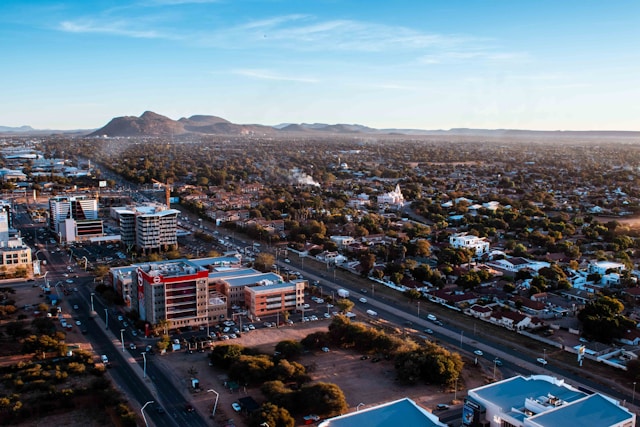
Major Cities & Places to Visit in Botswana
-
- Location: Southeastern Botswana, near the South African border
- Population: ~250,000+
- Why Visit:
- Political and economic center of the country
- Modern city with shopping malls, hotels, and restaurants
- Cultural attractions:
- Three Dikgosi Monument
- National Museum & Art Gallery
- Kgale Hill – hiking with panoramic views of the city
Good base for day trips to Mokolodi Nature Reserve
Maun – Gateway to the Okavango Delta
- Location: Northwestern Botswana
- Why Visit:
- Main launching point for safaris into the Okavango Delta and Moremi Game Reserve
- Hub for fly-in safaris, game lodges, and mokoro trips
- Small town vibe but growing tourism infrastructure
- Good place to stock up or relax before heading into the bush
Kasane – Next to Chobe National Park
- Location: Northeastern Botswana, at the crossroads of 4 countries: Botswana, Namibia, Zambia, Zimbabwe
- Why Visit:
- On the edge of Chobe National Park (known for its huge elephant population)
- Excellent for boat safaris on the Chobe River
- Close to Victoria Falls (only ~1 hour away by car)
- Ideal for combining Botswana with Zambia or Zimbabwe
Francistown – Historic Trading City
- Location: Northeastern Botswana
- Why Visit:
- Second-largest city in the country
- Historically a mining and trading post
- Gateway to Zimbabwe and central Botswana
- Visit Supa Ngwao Museum for local history and Kalanga culture
Ghanzi – Heart of the Kalahari
- Location: Western Botswana, edge of the Central Kalahari
- Why Visit:
- Gateway to Central Kalahari Game Reserve
- Cultural experiences with San/Bushmen communities
Learn traditional tracking, survival skills, and storytellin
Education in Botswana
- Botswana has prioritized education since independence in 1966.
- The government provides free and compulsory primary education, and subsidizes secondary and tertiary education.
- English is the medium of instruction in schools, while Setswana is taught and used at the lower levels.
Structure of the Education System
|
Level |
Age |
Duration |
Description |
|
Primary School |
6–12 |
7 years |
Starts at Standard 1, ends with Primary School Leaving Exam (PSLE) |
|
Junior Secondary School |
13–15 |
3 years |
Ends with Junior Certificate (JC) |
|
Senior Secondary School |
16–17 |
2 years |
Ends with Botswana General Certificate of Secondary Education (BGCSE) |
|
Tertiary Education |
18+ |
Varies |
Universities, colleges, and vocational training institutions |